Industrial Piping Systems Managed by Expert Engineers
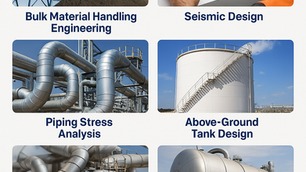
Industrial facilities depend on safe and stable piping networks to move liquids, gases, steam, and chemicals through highly demanding environments. A piping stress engineer plays a critical role in ensuring that these piping systems can operate under pressure, vibration, temperature changes, and mechanical loads without failure. Their work directly affects operational safety, plant efficiency, and long term reliability in industries where even a small design flaw can lead to serious downtime or financial loss.
These professionals analyze the physical behavior of piping systems during real operating conditions and verify whether the design meets engineering standards and safety regulations. Companies such as Little P.Eng. Engineering specialize in supporting industrial clients through advanced engineering analysis, simulation, and piping design services that help organizations maintain compliance while improving overall system performance across industrial environments.
Why Stress Analysis Matters in Industrial Facilities
Piping systems experience constant stress from internal pressure, thermal expansion, equipment movement, and external environmental conditions. Without proper analysis, these forces can damage supports, crack welds, deform pipelines, or affect connected machinery. Stress analysis helps engineers predict these risks before installation, allowing corrective action to be taken during the design phase rather than after operational failure occurs.
In sectors such as oil and gas, manufacturing, and power generation, system reliability is closely tied to productivity and worker safety. Engineering consultants evaluate whether pipelines can safely handle operational loads while maintaining regulatory compliance. Their calculations and simulation work help prevent leaks, shutdowns, and structural damage that could otherwise result in expensive repairs or environmental concerns.
Core Responsibilities in Engineering Projects
The daily responsibilities of engineering specialists in this field involve much more than reviewing drawings. They examine pipe routing layouts, identify load conditions, calculate thermal displacement, and coordinate with structural and mechanical teams to ensure all connected systems work together safely. Their contribution becomes especially important in complex industrial projects where pipelines operate at high temperatures or under continuous pressure.
Another important responsibility involves reviewing industry codes and standards such as ASME and local safety regulations. Engineers must ensure that every component meets approved design requirements while still remaining practical for fabrication and installation. A well planned stress analysis process can reduce maintenance problems and improve long term operational stability in facilities where uninterrupted performance is essential.
How Technology Improves Engineering Accuracy
Modern engineering software has transformed the way industrial piping systems are designed and evaluated. Simulation platforms now allow specialists to model real world operating conditions with remarkable accuracy, helping engineers predict movement, stress concentration, and structural response before physical construction begins. This technology significantly reduces uncertainty and improves decision making throughout industrial development projects.
Engineering firms such as Little P.Eng. Engineering use advanced simulation tools to optimize industrial systems and identify performance risks early in the design process. Their technical expertise allows clients to reduce project delays while ensuring that industrial facilities remain safe and compliant. Businesses that invest in accurate simulation and stress analysis often experience fewer operational interruptions and better overall system reliability over time.
Key Skills Required for Professional Success
A successful engineer in this discipline must possess strong technical knowledge combined with practical problem solving ability. Understanding piping codes, material behavior, structural interaction, and industrial process requirements is essential for delivering reliable designs. Communication skills are equally important because engineering professionals regularly coordinate with project managers, fabricators, mechanical engineers, and plant operators throughout project execution.
The following abilities are especially valuable for professionals working in industrial stress analysis and system design:
- Strong understanding of ASME standards and industrial regulations
- Experience with simulation and piping analysis software
- Ability to interpret technical drawings and plant layouts
- Knowledge of thermal expansion and vibration control
- Effective communication and reporting skills
Industrial companies prefer specialists who can combine theoretical engineering knowledge with real project experience. The ability to identify hidden risks before installation can save organizations substantial operational and maintenance costs while improving workplace safety standards across the facility.
Industries That Depend on Specialized Engineering
Oil refineries, chemical processing plants, manufacturing facilities, and power stations all depend heavily on reliable piping infrastructure. These industries operate under harsh conditions involving extreme temperatures, corrosive materials, and continuous mechanical stress. A skilled piping stress engineer helps ensure that systems remain stable even under demanding operational conditions that place heavy loads on piping networks and support structures.
Infrastructure expansion around the world has increased demand for experienced engineering consultants capable of handling large scale industrial projects. Companies involved in energy production and industrial manufacturing require detailed analysis to maintain safety compliance and avoid operational failures. Engineering specialists contribute to project efficiency by ensuring that designs can withstand real operational conditions while supporting long term industrial growth.
Regional Standards and Compliance Requirements
Engineering regulations differ between regions, making compliance an important part of every industrial project. International codes such as ASME B31 standards are commonly used in global industrial projects, but local authorities may impose additional safety or environmental requirements. Engineers must understand both international and regional regulations to ensure projects can pass inspections and operate legally within the target jurisdiction.
In countries with growing industrial sectors, companies increasingly seek professional engineering support to meet modern compliance expectations. Businesses working with experienced consultants reduce the risk of regulatory violations and costly redesign work. Proper documentation, accurate stress calculations, and code compliant designs are now considered essential elements in responsible industrial development and long term facility management.
Practical Recommendations for Industrial Companies
Industrial companies planning new facilities or upgrading existing systems should prioritize engineering analysis during the early project stages. Waiting until installation begins can lead to unexpected design conflicts and expensive project delays. Organizations that involve engineering specialists from the beginning are more likely to achieve smoother project execution and improved operational reliability after commissioning.
Businesses should also focus on long term maintenance planning rather than only short term construction costs. Working with experienced consultants such as Little P.Eng. Engineering allows companies to identify future operational risks before they become serious problems. Investing in professional stress analysis and system optimization often leads to lower maintenance expenses, stronger safety performance, and improved equipment lifespan across industrial operations.
Engineering Challenges in Expanding Infrastructure
Modern industrial expansion has created increasingly complex engineering challenges for facilities operating under demanding production targets. Pipelines now carry higher volumes and operate under more aggressive conditions than many older systems were originally designed to handle. A qualified piping stress engineer evaluates these changing requirements and ensures that upgraded systems can safely support new operational demands without compromising structural stability.
Climate conditions, seismic activity, vibration exposure, and equipment movement can also create unexpected stress conditions within industrial piping networks. Engineers must consider all of these external influences during the design process to avoid future operational failures. Careful planning and advanced analysis help industrial organizations maintain safety while adapting to modern infrastructure growth and increasing production requirements.
Future Trends in Industrial System Engineering
The future of industrial engineering is becoming more data driven and technology focused. Advanced simulation platforms, digital monitoring systems, and predictive maintenance strategies are improving the way industrial facilities manage piping infrastructure. Engineering consultants are increasingly using digital tools to detect stress related risks before failures occur, helping companies reduce downtime and improve long term operational efficiency.
As industries continue adopting automation and smart monitoring technologies, the importance of experienced engineering professionals will continue to grow. Companies that invest in high quality analysis and reliable system design are better prepared to handle evolving industrial demands. A knowledgeable piping stress engineer remains essential for ensuring that industrial facilities operate safely, efficiently, and in compliance with modern engineering standards.
Conclusion
Industrial systems require far more than simple pipe installation to operate safely and efficiently. Every pipeline must withstand pressure, temperature variation, vibration, and mechanical loads that can affect long term reliability. A professional piping stress engineer helps industries reduce operational risks, improve compliance, and maintain stable performance in demanding industrial environments where safety and efficiency are critical priorities.
Organizations seeking dependable engineering support benefit greatly from experienced consultants who understand modern industrial challenges and advanced analysis methods. Through professional stress analysis, structural evaluation, and simulation services, companies can improve project outcomes while reducing future maintenance concerns. Investing in expert engineering support today creates stronger, safer, and more efficient industrial systems for the future.